Our HERitage
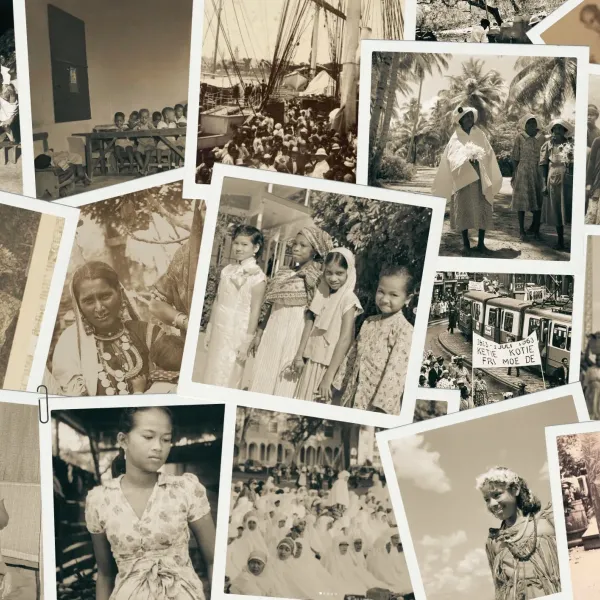
In the year that the Netherlands commemorates 160 years* of the abolition of slavery and 150 years** of the abolition of indentured labor (2023-2024), Fausia S. Abdul is launching the project "Our HERitage" with a team of enthusiastic professionals and support from organizations including the CBG, the Center for Family History, the Fund for Cultural Participation, and the University of St. Maarten. This initiative focuses on a shared future and breaking down stereotypes. This is achieved by highlighting the often-forgotten lives of Caribbean women during the colonial period, including slavery and indentured labor, through 50 historical portraits that attempt to achieve ethnic and geographical diversity: descendants from 12 Caribbean regions (including Suriname and the Guianas) where the Netherlands left colonial traces, and bringing together approximately 11 (main) groups from around the world.
Many people within Surinamese/Caribbean communities struggle with their roots due to intergenerational trauma and challenges. "Our HERitage" focuses on transcending the first generations and returning to our roots: our foremothers. It encourages a different perspective and combats stereotyping, both within and outside these communities. The project involves descendants in archival research and guides 25-30 participants in discovering their ancestors. Historians then work with the material to place it in a historical context. This project gives diversity and women a voice in history and offers people the tools to discover their own past.
*After the official abolition on July 1, 1863, enslaved people in Suriname were required to work for at least another ten years, a period known as "state supervision time." This was not the case on the islands.
**Abolition of indentured labor, considered a replacement for slavery. After the abolition of slavery, this was the primary form of forced labor.